

Clinical Guide
Sciatica Treatment in Orlando
Sciatica can make sitting, walking, and even resting uncomfortable when pain begins in the lower back or buttock and travels into the leg. Our focus is to identify the source of that irritation and determine whether a non-surgical approach may be appropriate.
Dr. David Nahali, D.C., reviews your symptoms, examination findings, and available imaging to understand whether a disc problem, spinal narrowing, or another mechanical issue may be contributing to your pain.
Answer a few questions. If your case appears appropriate, you’ll be guided to the next step.
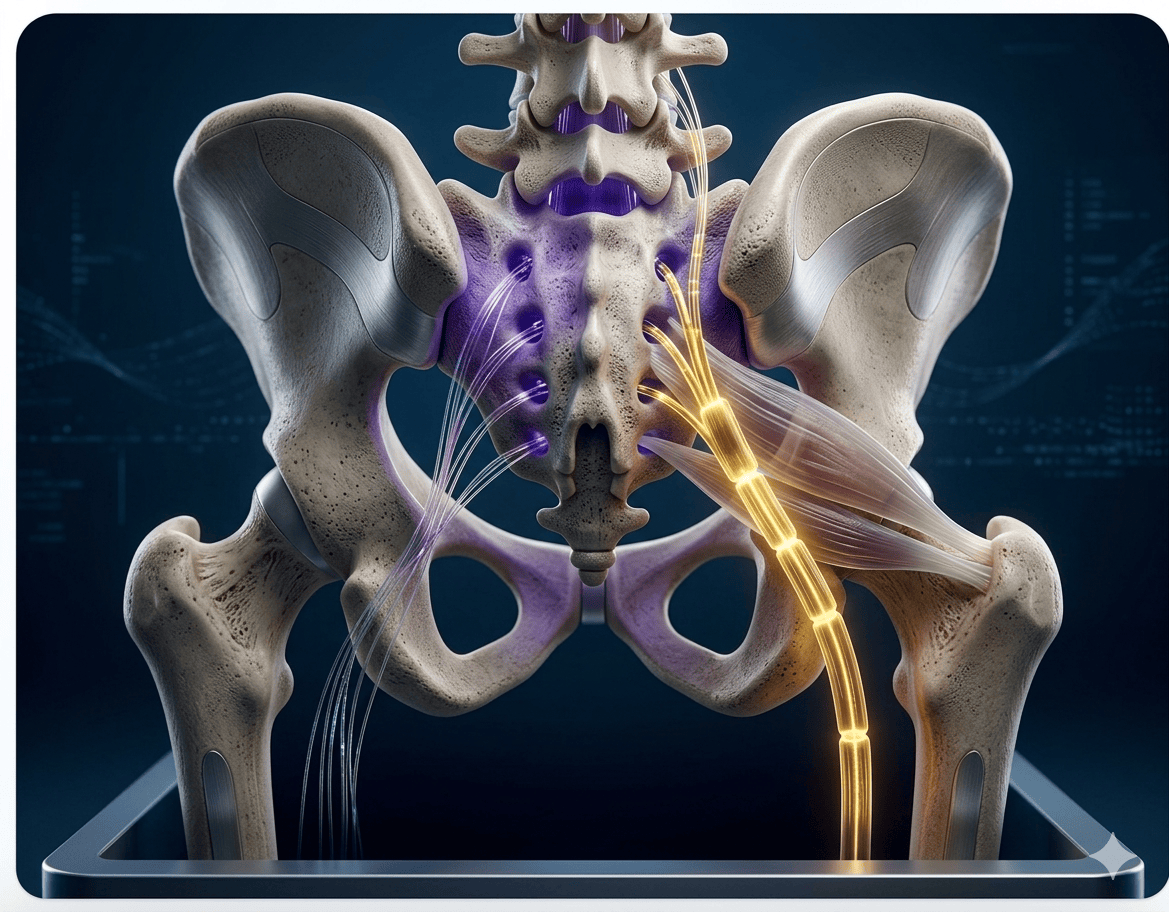
Clinical Signs
What Sciatica Can Feel Like
Low Back to Leg Pain
Pain may start in the low back or buttock and travel into the thigh, calf, or foot.
Burning or Electric Pain
Some patients describe sciatica as sharp, burning, shooting, or electric-like pain.
Numbness or Tingling
Tingling or numbness in the leg or foot may suggest nerve involvement.
Weakness or Progressive Symptoms
Weakness can be more concerning and should be evaluated carefully, especially if it is progressing.
Sciatica Is Not Always the Same Problem
Sciatica can come from different causes. A herniated disc, bulging disc, spinal stenosis, degenerative changes, inflammation, or other conditions may irritate nerve structures.
That is why the goal is not to treat the word “sciatica.” The goal is to identify whether the patient’s symptoms fit a disc or nerve-related pattern that may be appropriate for decompression evaluation.
Can Disc-Related Sciatica Be Treated Without Surgery?
Many people with sciatica caused by a herniated, bulging, or degenerative disc can begin with non-surgical care, depending on their symptoms, neurological findings, and MRI results. For appropriate patients in Orlando, non-surgical spinal decompression may be considered for radiating leg pain, numbness, or tingling related to disc and nerve involvement. Dr. David Nahali evaluates each case to determine whether decompression is appropriate or whether another type of care is needed.
When Spinal Decompression May Be Considered for Sciatica
Spinal decompression may be considered when sciatica appears related to a disc or nerve compression pattern and the patient is an appropriate candidate.
Factors that may be reviewed include:
- Where the leg pain travels
- Whether numbness or tingling is present
- Whether weakness is present
- What positions worsen or relieve symptoms
- Prior diagnosis and treatment history
- MRI findings when available or appropriate
- Whether the symptoms match a disc-related pattern
Safety Screening & Closer Review
Spinal decompression is not for everyone. Some cases require closer medical review or urgent attention, such as progressive weakness, severe neurological symptoms, or prior spine surgery. A focused evaluation helps determine whether decompression is a reasonable and safe option for your specific case.
Not Sure If Decompression Is Right for Your Case?
Start with the evaluation. It helps determine whether your symptoms may fit decompression care.
Start EvaluationResources
Related Patient Guides
Helpful guides for patients comparing decompression, imaging, candidacy, and cost.
Information built to help patients ask better questions and make more informed decisions.